Ser ser salhi – City of Wind Directed by Lkhagvadulam Purev-Ochir
Ser ser salhi – City of Wind
Directed by Lkhagvadulam Purev-Ochir
Starring: Nomin-Erdene Ariunbyamba, Tergel Bold-Erdene, Bulgan Chuluunbat, Tsend-Ayush Nyamsuren, Ganzorig Tsetsgee
Countries: Qatar, Germany, Netherlands, Portugal, Mongolia, France
Year: 2023
Author: Roberto Matteucci
Click Here for Italian Version
“Your dream is distant.”
The Mongolian people have marked the history of many nations:
"... approximately one percent of the world's male population has genetic evidence of descent from Chinggis Qa'an or his immediate ancestors." (1)
In the early 13th century, the Mongol Chinggis Qa'an began an overwhelming conquest of the known world:
"Their empire reached the Adriatic Sea, arriving in Croatia." (2)
Mongolia is characterised by a dominant and, above all, magical nature.
Magical in its bucolic dimension: a vast steppe, a scorching summer, and a cruel winter. The territories outside Ulaanbaatar are extensive but sparsely populated.
The inhabitants possess a deep and devout sense of spirituality.
The emblem of Mongolia, which appears on the flag and in every public place, is the Soyombo. The ideogram was conceived by Zanabazar, a monk artist living between the late seventeenth and early eighteenth centuries. Its meaning is "May the Mongol nation exist by its own right". The Soyombo has a religious value; the centre represents yin and yang. Around it, other geometric figures recall spiritual elements, such as the sky, fire, the sun, and nature:
"The symbol of Mongolia, present in the flag and any public buildings, is the Soyombo. The ideogram was conceived by Zanabazar, a seventeenth-century artist monk. The meaning is "may the Mongol nation exist by its own right". Soyombo has a religious sense, the centre represents yin and yang. Around, there are other geometric figures, they have spiritual meanings, such as sky, fire, sun, nature." (3)
Despite many years of communism and atheism (during the dictatorship, all Buddhist temples were destroyed), spirituality did not disappear, remaining indispensable for Mongolians, including the younger generation.
Devotion to Buddhism is the most widespread, while shamanism is the most visible manifestation. Both coexist seamlessly. In yurts, thick with smoke, shamans celebrate rituals with songs and drums to invoke the spirits.
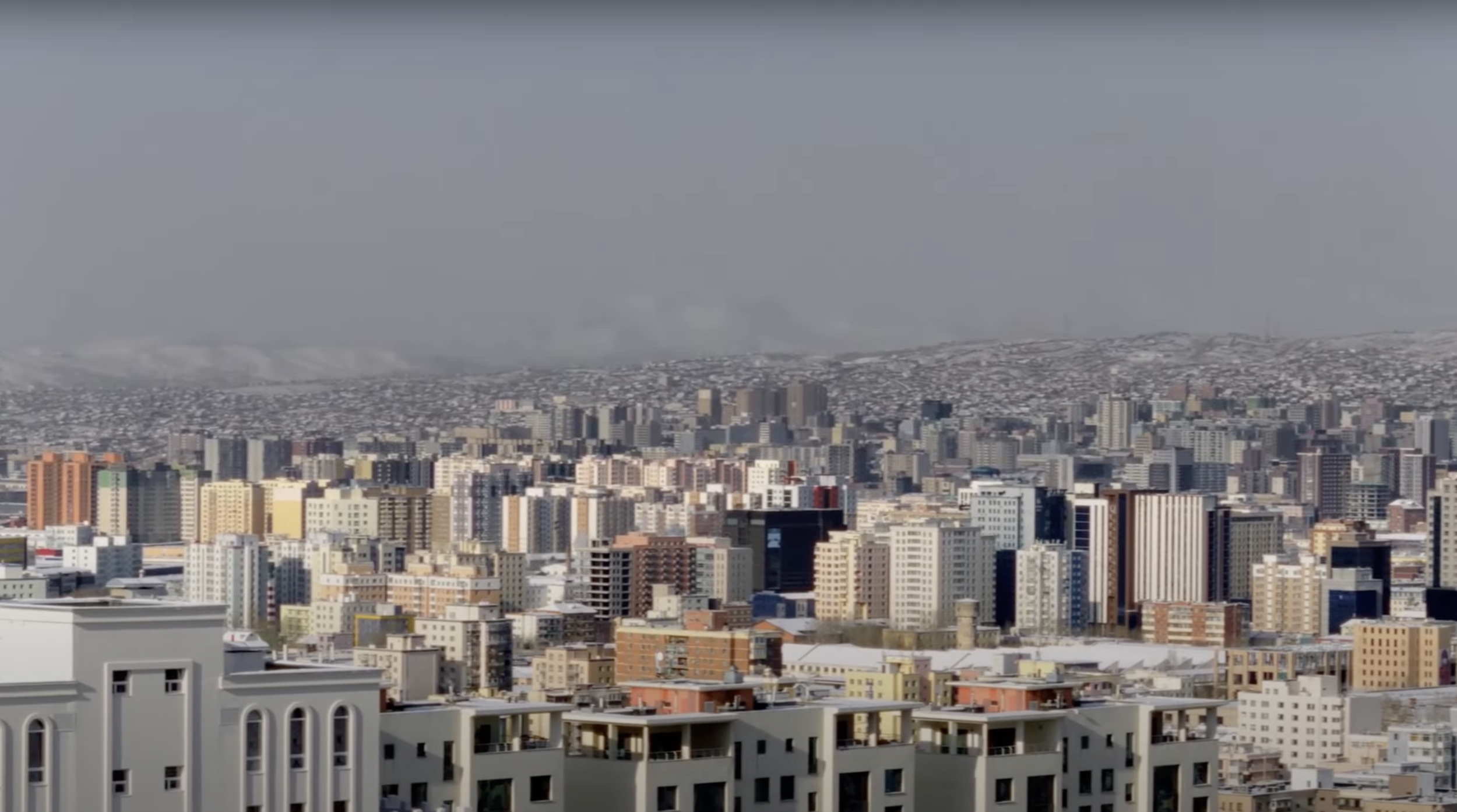
However, Mongolia is changing rapidly. The nomadic population is moving into the tall skyscrapers of Ulaanbaatar. The vast spaces still exist; the large yurts prevail in the landscape even just outside the city centre.
Far from the capital, Mongolians endure loneliness, hardship, suffering, and exhausting toil. These realities are narrated in the novels of Mongolian writer Galsan Tschinag, such as in the highly sensitive book The Blue Sky: A Novel (AER Edition, Bolzano, 1996). The child Dschurukuwaa grows up without a mobile phone or a computer. He is forced to face a harsh nature from an early age. Yet, he loves this condition and his steppe, because he is aware of being an integral part of Mongolia, even with the arrival of the terrible, unbearable, and savage winter:
"Oh, what a cruel-hearted father you are!
...
Oh you, who punish us so harshly! What have we been guilty of?! Have we not always lived in faithfulness to you, in submission, and in absolute respect for your laws, ah?!" Why do you punish us so ferociously and without any mercy, iiih? Do you want to force us to renounce you and follow other teachings! ..." (4)
Dschurukuwaa's Mongolia is developing, perhaps slowly but inexorably.
This new Mongolia is narrated with affection and passion by Mongolian filmmaker Lkhagvadulam Purev-Ochir in the film Ser ser salhi – City of Wind, presented at the 80th Venice International Film Festival.
A shot of the steppe, a mountain, snow. A tent.
An old man and a shaman are performing a ritual. The old man’s son is far away. There are many shacks around.
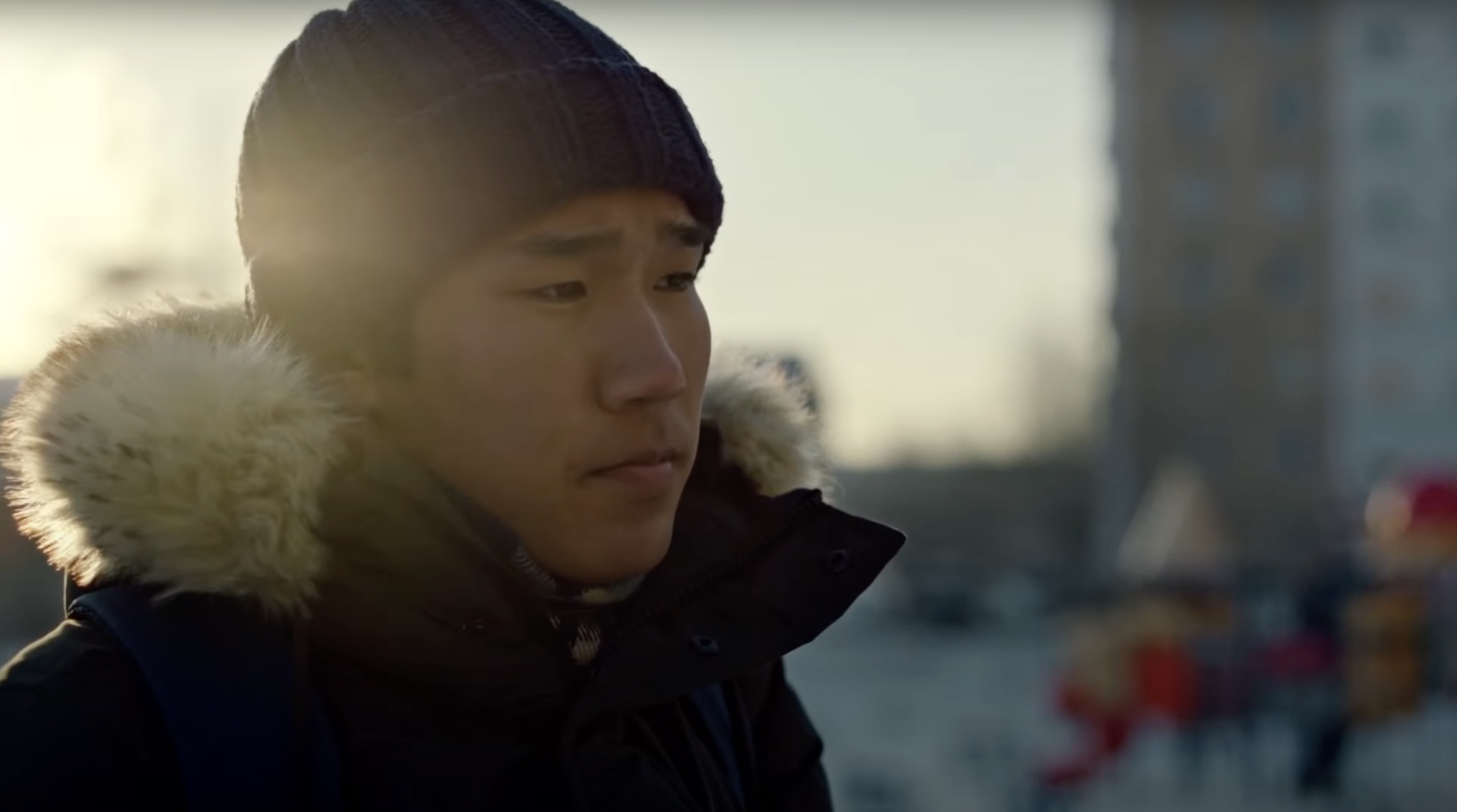
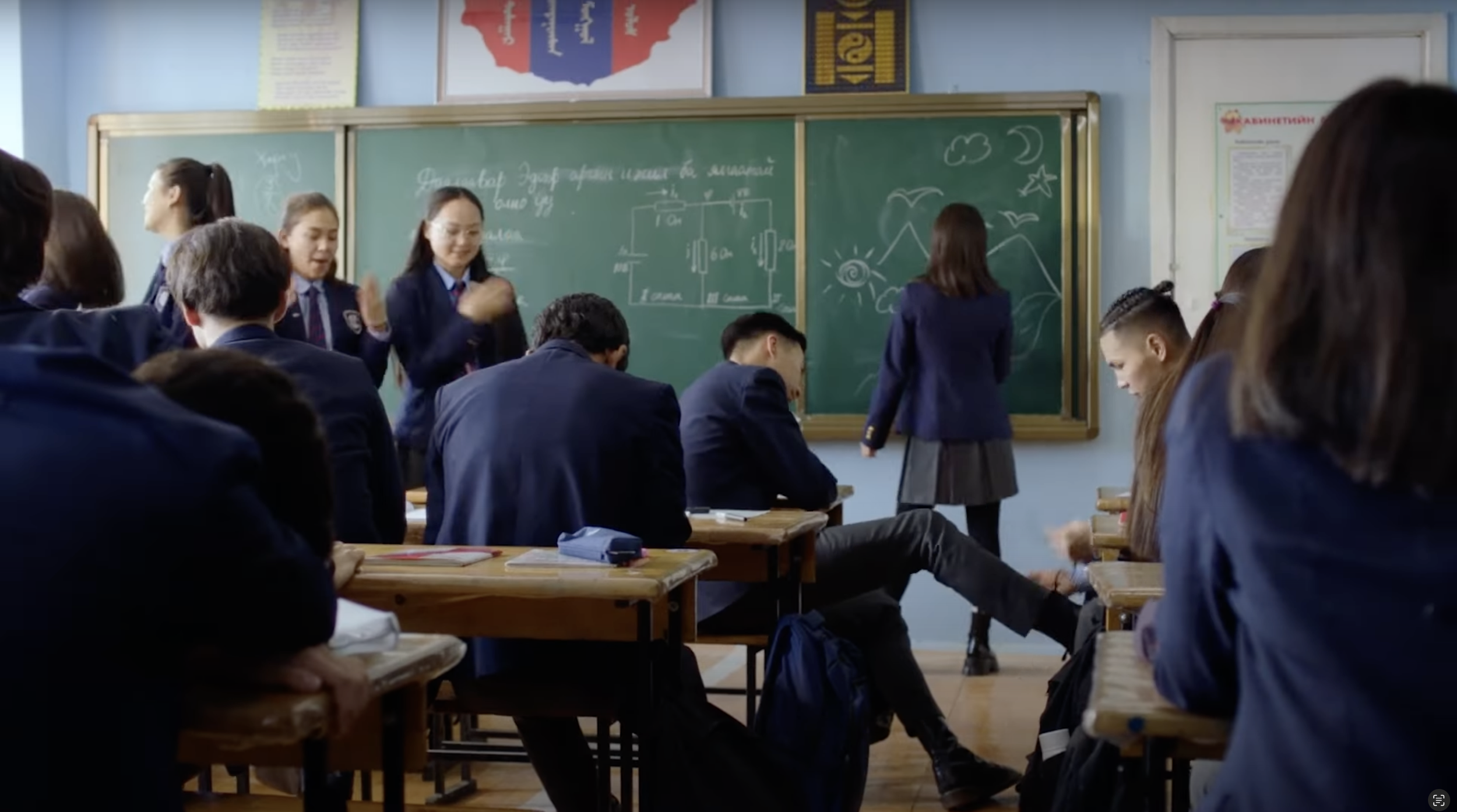
Cut to the school. It is a contemporary school; the students are in uniform. The best student is Ze. Ze is also the shaman from the previous scene. He is only seventeen years old, but he is mature and studies hard. He takes care of his family, lives with his parents and sister. He has a high sensitivity. This hypersensitivity drives him to feel the spirits and transform himself into a popular and sought-after shaman.

One day, he is called upon to celebrate a ritual for a teenager, Maralaa. She has to undergo a serious operation. Her mother asks the sorcerer Ze to perform a ritual to protect her.
The girl is sceptical, reluctant. She insults him, considering him a cheat and a charlatan.
Ze is attracted to her. In fact, Maralaa disrupts the young shaman with her strong temperament and oppressive personality. He is the opposite of Maralaa. He visits her in the hospital after the surgery: Ze can be a trickster, yet he is very handsome and sexy.
The two teenagers begin a love affair. Their relationship is defined by reckless gestures and wandering through the historical layers of Ulaanbaatar. In the end, diversity prevails. Maralaa leaves him to go and live with her father in South Korea, while Ze remains the visionary shaman capable of understanding hearts and nature.
The primary topic is Mongolia. The author breaks out of Enlightenment patterns by restating a concept: there is no contradiction between modernity and spirituality:
"... but in practice, in real life, what I find is that nothing is as dualistic and dialectical... for me super important that this film is not about tradition versus modernism ... I portray life in Mongolia as a mosaic... I guess you could say that it's about tension, you can say there's a tension between these two aspects ..." (5)
There is no dualism or dialectic, no conflict between progress and tradition. For the auteur, the plot is a "mosaic", and indeed it is. The film has a structure with many small episodes, minimal scenes. Some concern the shaman and country life, others are about modern Ulaanbaatar, such as the theft of a handbag.
Ze embodies both roles. He is a young man who belongs to his times while incarnating the ancestral history of his country.
For Ze, there is no distinction: modern schooling and studying English do not prevent him from recognizing the influences of nature and ancestral spirits.
If they coexist in Ze, they can coexist even in Mongolia.
His love for his country is the theme of Ser ser salhi. Since the film is a "mosaic", it captures many aspects of the history: the apparent and the hidden ones; the blurred yurt, the religiosity, the naturalism. Obviously, Soviet influences are present, such as the architecture of the era, the graffiti:
"... you see a little bit the Soviet monuments and Soviet apartments, but at the same time there are all these modern apartments, but then you have the districts where more nomads are moving to the city, and then you have the mountains it kind of hints at the countryside of Mongolia and it's and also the music." (6)
The protagonists frequent these places as well as the opulent shopping mall. They are new symbols of a rising bourgeoisie and rampant capitalism. For Mongolians, the most significant dream is to move into the emerging skyscrapers, abandoning the smoky yurt:
"... trying to give a portrait, almost documentation of life in Mongolia right now ..." (7)
...
"... tell the story of the last twenty years of our history... wanting to give almost like a historical a viewpoint... representative of our lives since we became capitalists." (8)
The director depicts the story with an observant eye and cultural awareness. She makes rigorous choices and describes the two main characters with psychological depth.
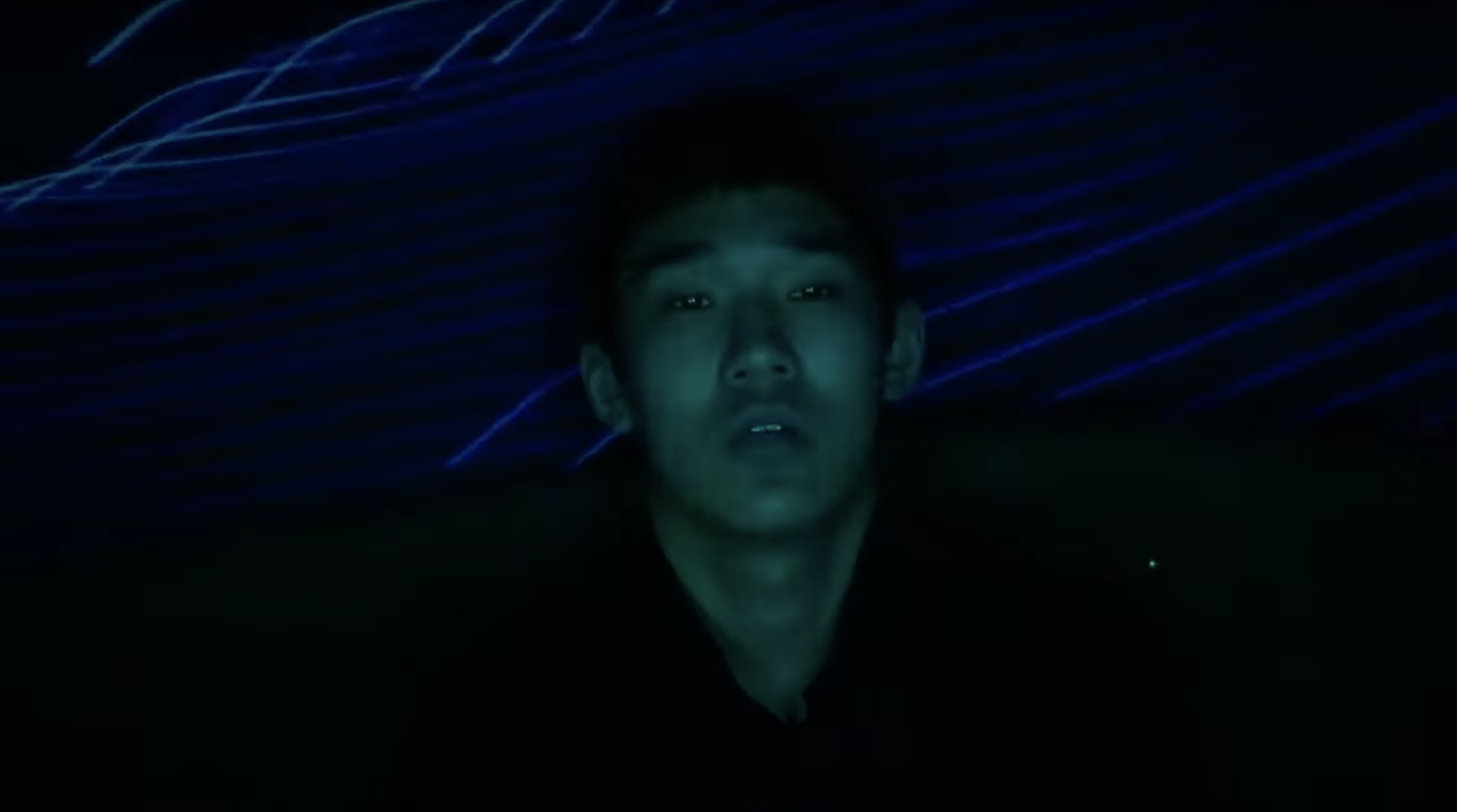
Ze is a responsible adolescent, but with many experiences still to live. His spiritual side comes from within. Ideas of modernity emerge when Maralaa arrives. She exploits him, pushing him toward love and sexuality, and deliberately breaks his heart out of egoism and trivial motives.
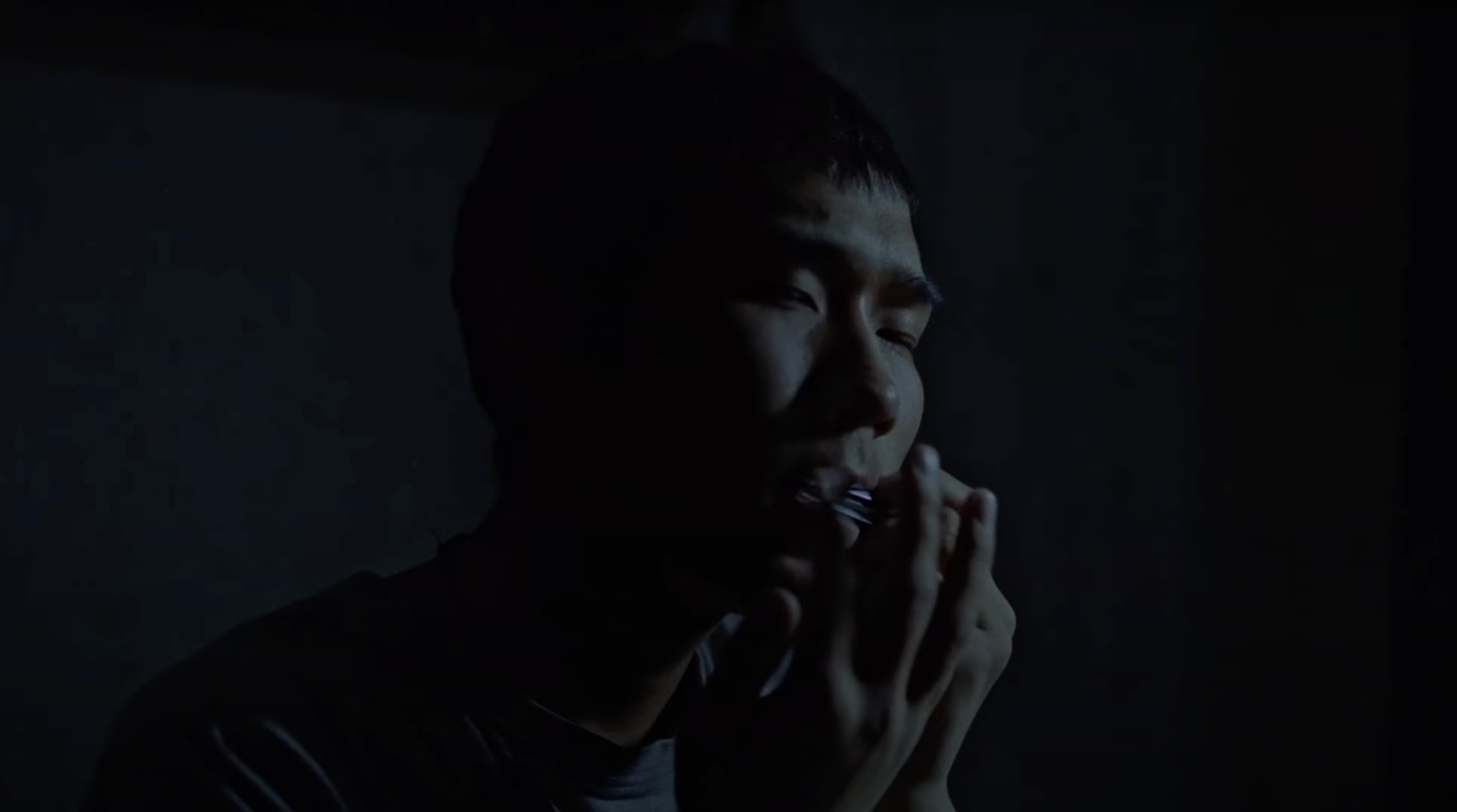
Ze has a power. He has hallucinations: fast fragments of separate lives. He can recognize a friend's death. Meanwhile, he sleeps in the same room as his sister and plays the jew's harp at night.
He has no flaws; he is constantly open with his family, friends, and classmates. A key theme for the director:
"... we understand what his relation was to his parents, to his sister, to his friends, to his neighbor, to the larger society ..." (9)
Ze is always willing, but very naive. He does not perceive threats from others. He is ready to love an aggressive and offensive girl to fulfil his desire.
He is intelligent, perceptive, kind, generous, solemn, priestly, stakhanovite, prudent. He has a noble sense of duty. He gives up his studies because he prefers to stay with his family.
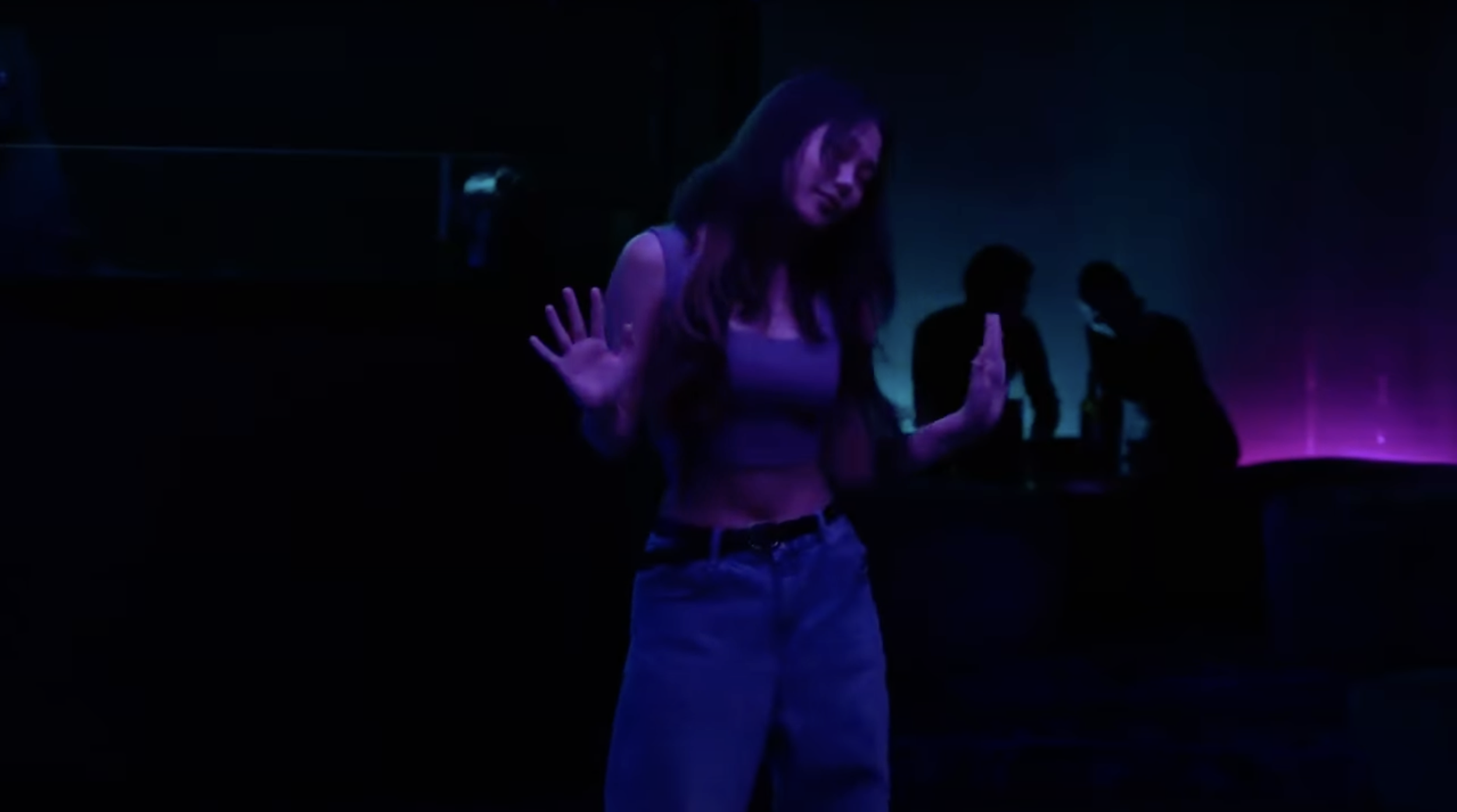
This sense of duty does not belong to Maralaa. She is haughty, self-righteous, cynical, sullen, ungrateful, petty, and snobbish. Maralaa is the symbol of the false reformist, brutal capitalism, and fake liberalism. She does not love her country; indeed, she chooses Korea. They are two conflicting sensibilities. Maralaa accuses Ze of being a trickster, but in reality, she is the trickster.
Separately, they are different; together, they are the mosaic of Mongolia.
There is a concentration of spooky shamanic ritual sequences. The French director Fabienne Berthaud had tackled this situation in the film Un Monde Plus Grand - A Bigger World presented in the Venice Film Festival in 2019. She uses games of music, hysterical rhythm, and quick camera movements, but she leaves a doubt: she neglects the social argument.
Lkhagvadulam Purev-Ochir's peculiarity is meticulousness in the gazes, in the close-ups of faces. By using these two components, the director depicts shamanism:
"... I really wanted to focus on people's gazes and people just looking at each other and seeing each other... because this is part of I guess my exploration of spirituality, like what is spirituality, how am I going to depict it." (10)
...
"... the spirituality in this film is intimacy." (11)
...
"... people who are no longer present, and it's also in intimacy that exists between people who are no longer ..." (12)

These details serve to outline the intimacy in the rituals. Kissing, smelling, touching are the shaman's approaches to the bodies including the bodies of strangers. These physical and introspective attentions involve both the shaman and participants.
It also happens within the family sphere, as Ze's dreams: scabrous copulation even with close people. Therefore, the film maintains an intentionally minimalist tone, as Lkhagvadulam Purev-Ochir states:
"... and this is why I also approched generally the style of the film in a very minimal naturalistic way I didn't want I don't know magic realism just because you know we have Shamanism … so I didn't want to make statements large statements ..." (13)
In the shot of Maralaa's ritual, Ze is surrounded by the pounding of drums; the camera rises and dissolves into a close-up of the girl.
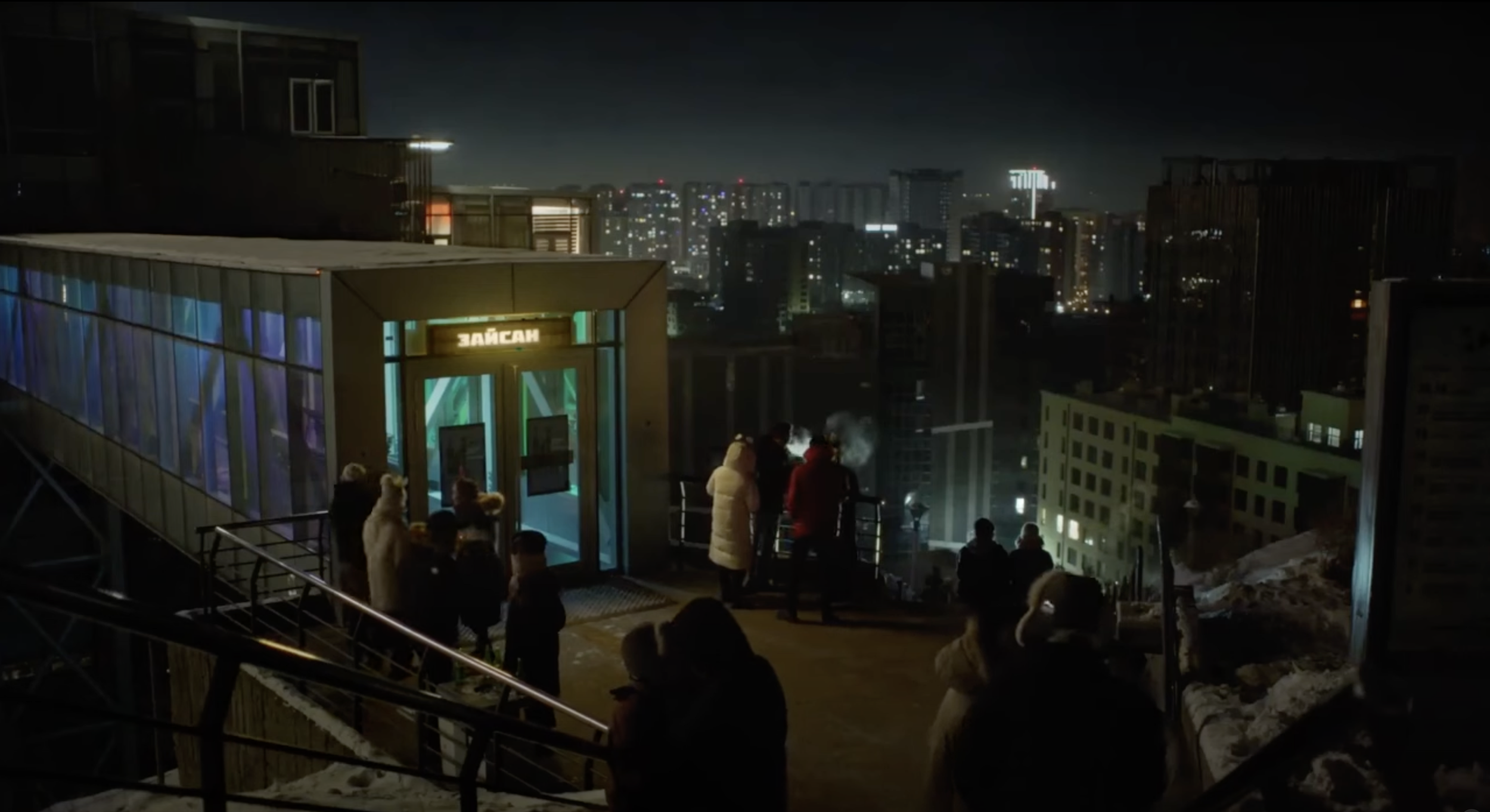
The essential style is accompanied by a clear and precise structure, with a progressive engagement, a rhythm determined by the characteristics of the exhalations, the whiteness of the snow, the isolation in the midst of nature, the sun, the moon, the river:
"... also showing how the Mongolians interact with nature, how you're constantly having conversations with the sun with the moon, and with the river… for me, this is spirituality... I want to depict in the film is intimacy of Mongolia." (14)
Everything in the film is connected to nature:
"By now the mountains and the steppe had become a dazzling black and white, as if overwhelmed by the stormy waves of a sea of moving snow. That icy light even hurt the eyes. A wind was blowing that seemed to cut, saw, penetrate, and flay everything in its path." (15)
The film is powerful, honest, patriotic. It is an intense, intellectual, sacred patriotism.
Of course, there are some missteps. For example, the scene of the students howling like dogs, an anguished canine Dead Poets Society, or rather, an alarm for the numerous strays roaming the dark streets.
Possibly, a few more substantial cuts would have increased the entertainment and the conflict, but the director proudly raises a national flag with the Soyombo design.
Michele Bernardini, Donatella Guida, I Mongoli. Espansione, imperi, eredità, Piccola Biblioteca Einaudi. Mappe. Storia, Torino, 2012, p. XVI, author’s translation from Italian edition.
Michele Bernardini, Donatella Guida, I Mongoli. Espansione, imperi, eredità, Piccola Biblioteca Einaudi. Mappe. Storia, Torino, 2012, p. 62, author’s translation from Italian edition.
Roberto Matteucci, ”Un Monde Plus Grand - A Bigger World Directed by Fabienne Berthaud”, 16 May 2020, https://popcinema.org/movie/un-monde-plus-grand-a-bigger-worldregista-fabienne-berthaud-8pkmb (accessed 27 January 2026).
Galsan Tschinag, The Blue Sky: A Novel, author’s translation from Italian edition Galsan Tschinag, Il cielo azzurro, AER Edizioni, Bolzano, 1996.
YouTube interview with Lkhagvadulam Purev-Ochir, timestamp 11:29,
https://youtu.be/FyrQsd5O-2E?si=eQIPzTL15DlI8vC9 (accessed 27 January 2026).YouTube interview with Lkhagvadulam Purev-Ochir, timestamp 6:30,
https://youtu.be/FyrQsd5O-2E?si=eQIPzTL15DlI8vC9 (accessed 27 January 2026).YouTube interview with Lkhagvadulam Purev-Ochir, timestamp 4:00,
https://youtu.be/FyrQsd5O-2E?si=eQIPzTL15DlI8vC9 (accessed 27 January 2026).YouTube interview with Lkhagvadulam Purev-Ochir, timestamp 6:03,
https://youtu.be/FyrQsd5O-2E?si=eQIPzTL15DlI8vC9 (accessed 27 January 2026).YouTube interview with Lkhagvadulam Purev-Ochir, timestamp 3:48,
https://youtu.be/FyrQsd5O-2E?si=eQIPzTL15DlI8vC9 (accessed 27 January 2026).YouTube interview with Lkhagvadulam Purev-Ochir, timestamp 7:23,
https://youtu.be/FyrQsd5O-2E?si=eQIPzTL15DlI8vC9 (accessed 27 January 2026).YouTube interview with Lkhagvadulam Purev-Ochir, timestamp 7:49,
https://youtu.be/FyrQsd5O-2E?si=eQIPzTL15DlI8vC9 (accessed 27 January 2026).YouTube interview with Lkhagvadulam Purev-Ochir, timestamp 9:19,
https://youtu.be/FyrQsd5O-2E?si=eQIPzTL15DlI8vC9 (accessed 27 January 2026).YouTube interview with Lkhagvadulam Purev-Ochir, timestamp 4:16,
https://youtu.be/FyrQsd5O-2E?si=eQIPzTL15DlI8vC9 (accessed 27 January 2026).YouTube interview with Lkhagvadulam Purev-Ochir, timestamp 9:35,
https://youtu.be/FyrQsd5O-2E?si=eQIPzTL15DlI8vC9 (accessed 27 January 2026).Galsan Tschinag, The Blue Sky: A Novel, author’s translation from Italian edition Galsan Tschinag, Il cielo azzurro, AER Edizioni, Bolzano, 1996


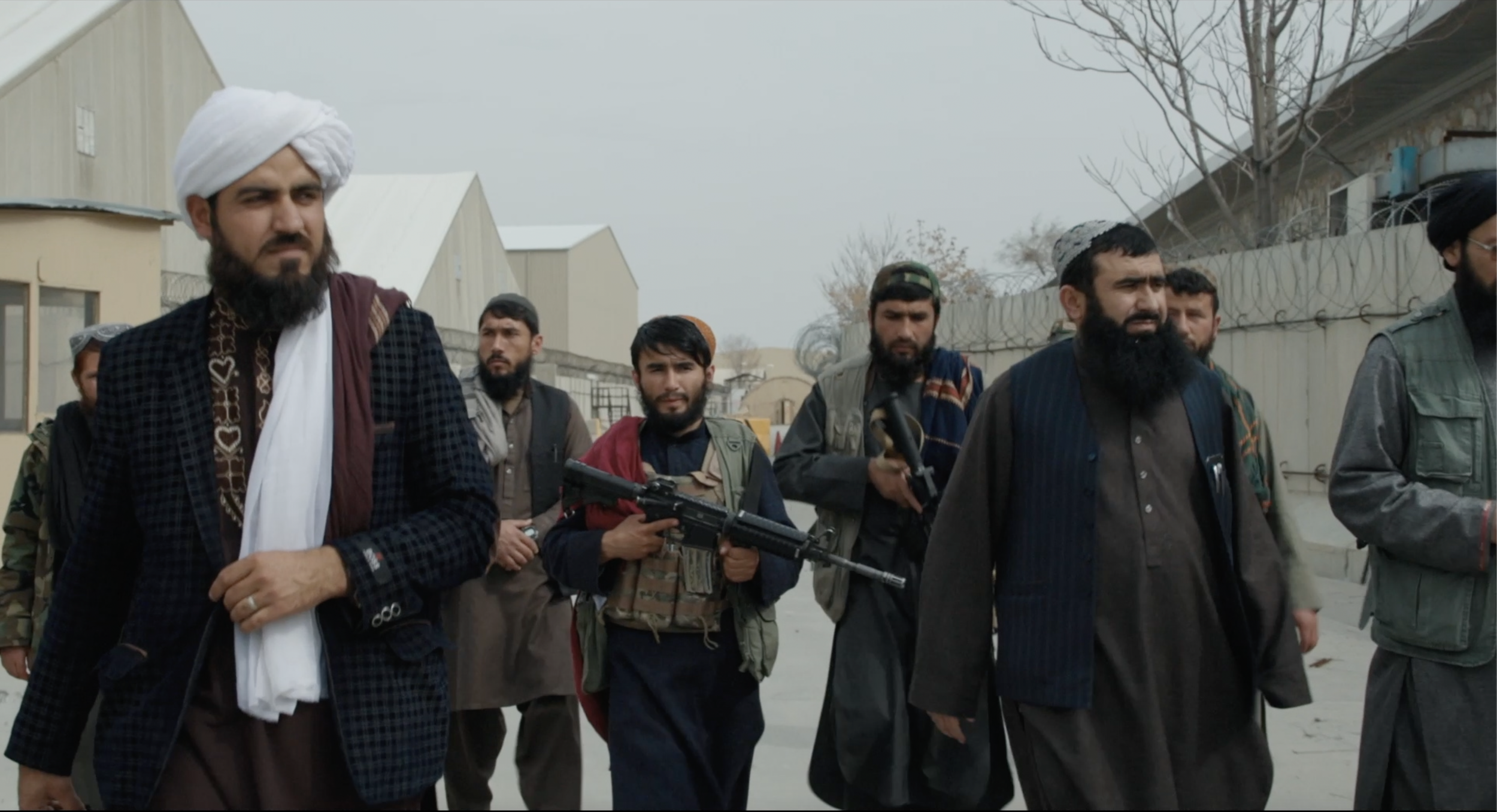


Revenge and forgiveness belong to three Mexican boys intent on organizing their retaliation in the film A cielo abierto - Upon Open Sky by directors Mariana Arriaga and Santiago Arriaga presented at the 80th Venice International Film Festival.